
Introduction
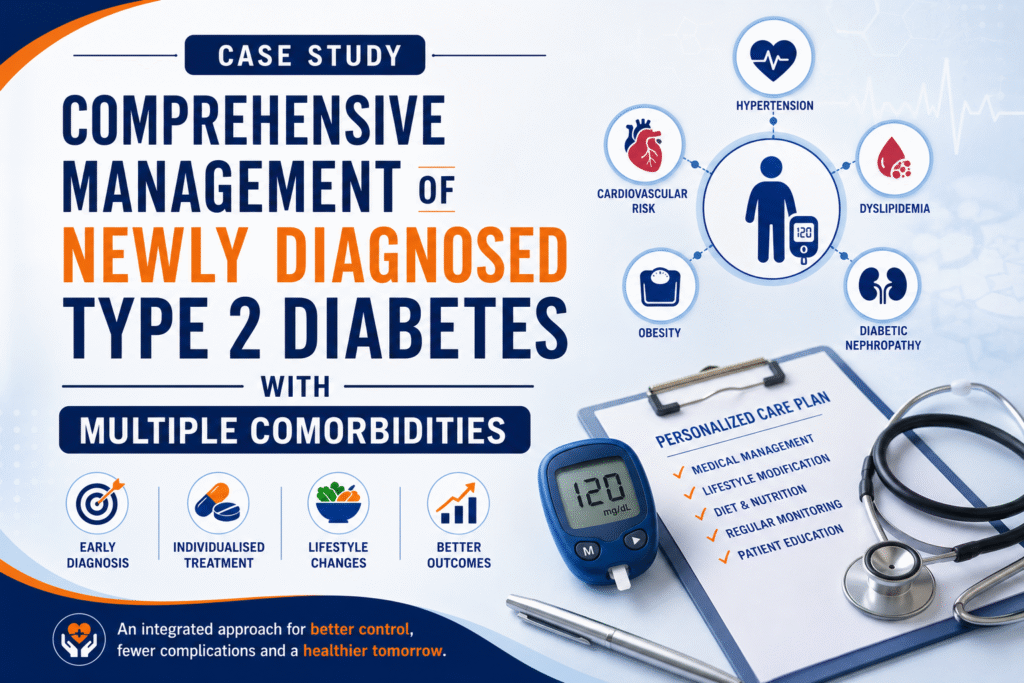
A newly diagnosed patient with Type 2 diabetes presented with uncontrolled blood sugars, significant weight loss (>15 kg), severe giddiness, neuropathic leg pain, hypertension, dyslipidemia, and anxiety, requiring a comprehensive multidisciplinary approach.
Background
• Diabetes diagnosed 5 months earlier.
• Complaints: uncontrolled diabetes, >15 kg weight loss, giddiness, severe leg pain, anxiety, and poor sleep.
• On multiple antidiabetic medications (pioglitazone, dapagliflozin, glipizide, metformin, sitagliptin).
Investigations which are abnormal :
• Fasting glucose: 177 mg/dL
• Postprandial glucose: 305 mg/dL
• HbA1c: 9.1%
• Total cholesterol: 222 mg/dL
• LDL: 122 mg/dL
• Triglycerides: 229 mg/dL
• Weight: 74 kg, BMI: 26.5 kg/m²
• BP: 170/110 mmHg, Pulse: 132/min
• ECG, Troponin, and Pro-BNP were normal. Fatty liver was also identified.
Our Approach
Performed detailed evaluation to rule out acute cardiac causes of giddiness.
Optimized diabetes medications with gradual dose adjustments.
Initiated treatment for hypertension, dyslipidemia, fatty liver (including saroglitazar), and diabetic neuropathy.
Referred for cardiology evaluation.
Provided intensive dietary counseling, lifestyle modification, and reassurance to address anxiety.
Key Learnings
- Insulin helps in improving the immunity of a person by controlling the diabetes
- It also helps in improving appetite of any patients with infections
- Diet plays a important role in maintaining the protein intake ,which is important for control as well as for recovery .
Recovery and Outcome
Blood glucose improved to 97 mg/dL fasting and 160 mg/dL postprandial.
Blood pressure stabilized.
Neuropathic symptoms and giddiness improved.
Cardiology evaluation was unremarkable.
The patient reported improved well-being, better sleep, and good treatment adherence.
Doctor’s Perspective
Early, comprehensive management of newly diagnosed diabetes is essential. Addressing associated conditions such as hypertension, dyslipidemia, fatty liver, neuropathy, and psychological stress alongside glycemic control leads to better overall outcomes.
Key Learning
The first few months after diabetes diagnosis are crucial. Achieving early glycemic control and managing cardiovascular risk factors can create a positive metabolic memory, reducing the risk of future diabetes-related complications.
Our Message
Diabetes management goes beyond controlling blood sugar. Early diagnosis, comprehensive evaluation, timely treatment, lifestyle modification, and regular follow-up are the keys to preventing long-term complications and improving quality of life.