
Introduction
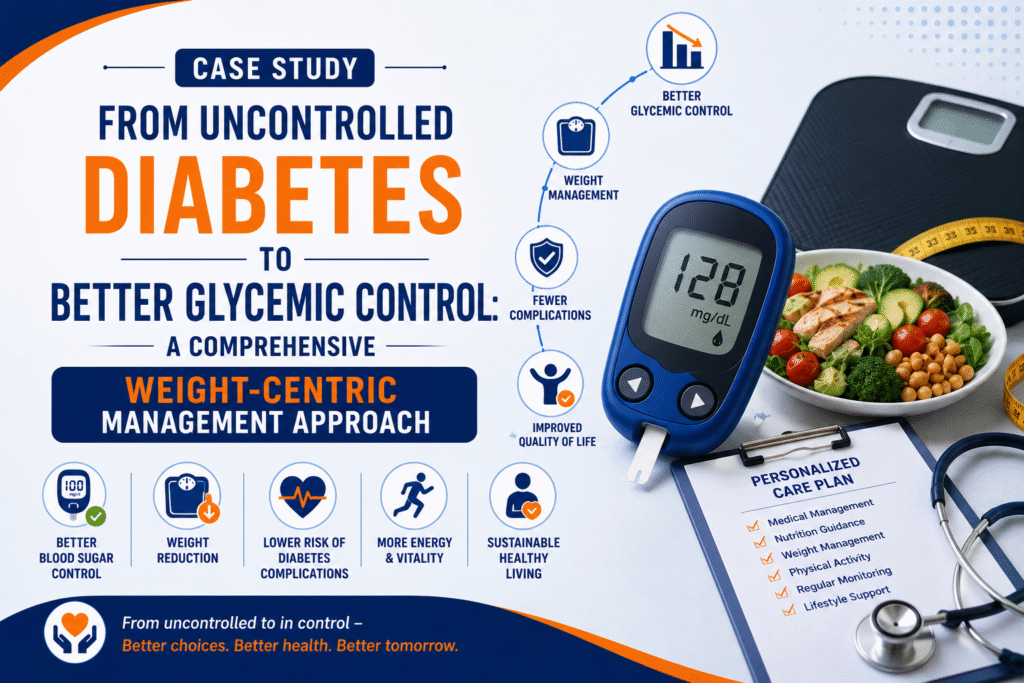
Long-standing type 2 diabetes often requires multiple medications and insulin, yet many patients continue to have poor glycemic control. This case demonstrates how a structured approach combining lifestyle modification, optimization of therapy, and the addition of tirzepatide led to significant improvements in blood glucose control, weight, and overall metabolic health.
Background
A 48 years old female patient with type 2 diabetes since 2004 and hypothyroidism since 2015 presented with persistently uncontrolled blood glucose despite being on multiple oral antidiabetic medications and insulin therapy. She was motivated to improve her health but required a comprehensive treatment strategy beyond medication intensification.
Investigations
- Weight: 86 kg
- BMI: 32.2 kg/m² (Obesity)
- Body Fat Percentage: 47.5%
- HbA1c: 12.1%
- Blood Glucose:
Around 250 mg/dL fbs and plbs 400 mg/dL
- Total Cholesterol: 264 mg/dL
- LDL Cholesterol: 166 mg/dL
- Triglycerides: Elevated
These findings suggested uncontrolled diabetes associated with obesity and dyslipidemia, increasing the patient’s long-term cardiovascular risk.
Our Approach
The management plan focused on treating the patient rather than simply lowering blood glucose values.
- Detailed counselling on medical nutrition therapy and portion control.
- Regular physical activity with emphasis on strength training and daily exercise.
- Initiated tirzepatide at 2.5 mg and gradually escalation to 12.5 mg over 4 months .
- Added dapagliflozin to improve glycemic control and provide additional metabolic benefits.
- Gradually reduced the doses of older antidiabetic medications, including glimepiride and metformin, while closely monitoring blood glucose and overall response.
- Regular follow-up visits ensured safe medication titration and reinforced lifestyle changes.
Recovery Outcome
Following treatment optimization and consistent lifestyle adherence, the patient achieved significant clinical improvement.
- Weight reduced: 86 kg → 79 kg
- BMI improved: 32.2 → 29.75 kg/m²
- HbA1c reduced: 12.1% →8.3 in 3 months
- Blood glucose levels improved to approximately 130 mg/dL. fasting and 140 mg/dL. post blood sugars.
- Better overall metabolic control with progressive reduction in medication burden.
Doctor’s Perspective
This case highlights that successful diabetes management extends beyond adding more medications. Addressing obesity, improving lifestyle habits, and selecting therapies that promote both weight loss and glycemic control can substantially improve patient outcomes. Individualized treatment and regular follow-up are essential to safely simplify therapy while achieving better long-term control.
Key Learning
- Weight reduction plays a vital role in improving glycemic control.
- Tirzepatide can be an effective option for patients with obesity and uncontrolled type 2 diabetes.
- Lifestyle modification remains the cornerstone of diabetes management.
- Regular monitoring allows safe reduction of older medications while maintaining excellent glucose control.
Our Message
Diabetes management should focus on achieving overall metabolic health, not just lowering blood sugar. With personalized treatment, sustained lifestyle changes, and timely optimization of therapy, patients can improve glycemic control, reduce excess weight, and lower their future risk of diabetes-related complications.