
Introduction
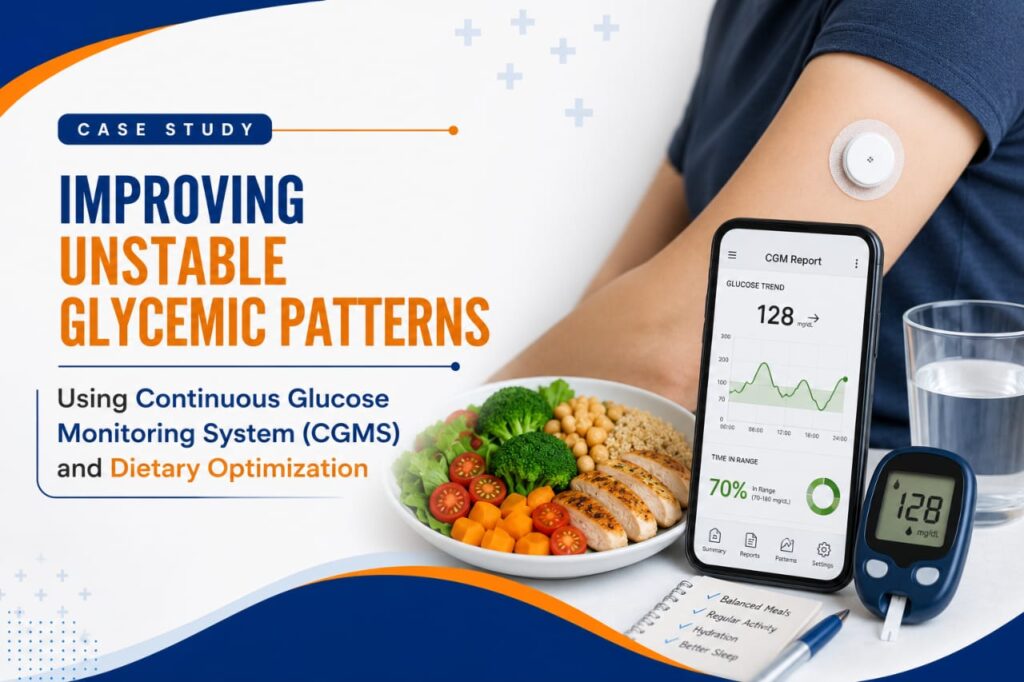
Continuous Glucose Monitoring (CGM) is an advanced system that tracks blood glucose levels in real time throughout the day and night using a wearable sensor. It provides a comprehensive 24-hour glycemic profile, helping identify trends, fluctuations, and the impact of diet, activity, and medications on glucose control.
Patient Background
A 73-year-old male with a 20-year history of Type 2 diabetes presented with:
- Fasting blood glucose: 183 mg/dL
- Post-lunch glucose: 283 mg/dL
- HbA1c: 7.1%
Despite a 7.1 % HbA1c, the patient consistently exhibited high postprandial glucose levels (280–300 mg/dL). This discrepancy suggested significant glycemic varibility, with a possibility of undetected hypoglycaemia or nocturnal hypoglycaemia. Therefore, CGM was recommended for detailed evaluation.
Clinical Approach
The patient was initiated on CGM while continuing his existing oral antidiabetic medications, along with the addition of an alpha-glucosidase inhibitor (e.g., Glucobay) to address post-meal spikes.
CGM data revealed:
- Marked postprandial hyperglycemia after lunch and dinner
- Episodes suggestive of nocturnal hypoglycemia
A detailed dietary assessment was conducted to correlate food intake with glucose fluctuations. The patient was actively engaged in understanding how different foods influenced his glucose levels, making CGM a powerful educational tool.
Dietary Intervention and medication adjustments
Dietary analysis showed:
- High carbohydrate intake
- Inadequate protein and fiber consumption
Based on CGM insights, targeted modifications were implemented:
- Reduction in carbohydrate load, particularly at breakfast
- Inclusion of adequate protein and fiber in all meals
- Adjustment of meal timing and composition to prevent nocturnal hypoglycemia
- Acarbose which is a diabetes medication was used to target postprandial blood glucose
The patient was advised to maintain a daily food diary alongside CGM monitoring to better understand diet-glucose relationships.
Outcome
With consistent adherence to dietary recommendations and ongoing CGM feedback:
- Fasting glucose improved to ~120 mg/dL
- Postprandial glucose reduced to ~165 mg/dL
- Glycemic variability significantly decreased
- Previously undetected hypoglycemic episodes were identified and managed
Importantly, the patient achieved better glycemic control without the need for insulin therapy. He reported high satisfaction, particularly due to improved dietary awareness and self-management.
Encouraged by the results, the patient opted for repeat CGM monitoring for continued assessment and long-term control.
Doctor’s Perspective
CGM is an invaluable tool in modern diabetes management. It provides continuous, real-time insights into glucose patterns, including time in range and glycemic variability. Beyond monitoring, it serves as an effective educational instrument, enabling patients to make informed lifestyle and dietary changes.
In selected patients, CGM can significantly improve outcomes by optimizing therapy, reducing hypoglycemia, and enhancing overall glycemic control. Annual CGM use can be highly beneficial for most individuals with diabetes.
Key Learning Points
- CGM helps uncover hidden glycemic fluctuations, including nocturnal hypoglycemia
- It enables precise correlation between diet and glucose response
- Targeted dietary modifications can significantly reduce postprandial spikes
- CGM empowers patients to actively participate in their diabetes management
Conclusion
This case highlights how integrating CGM with personalized dietary intervention can stabilize glucose levels, reduce variability, and improve overall diabetes control. The approach not only optimized medical management but also enhanced patient awareness, ultimately helping avoid insulin initiation