

Introduction
Diabetic foot complications are among the most common and preventable complications of long- standing diabetes mellitus. The foot remains healthy only when protective sensation, adequate blood supply, and normal foot pressure distribution are maintained. In patients with diabetes, these protective mechanisms are often impaired due to peripheral neuropathy, altered foot circulation due to peripheral arterial disease, and altered plantar pressures due to altered shape of feet.
As a result, even minor trauma may go unnoticed and heal poorly. A seemingly trivial injury, such as a shoe bite caused by ill-fitting or worn-out footwear, can gradually progress to a diabetic foot ulcer if not detected and treated early. Since diabetic foot ulcers are associated with infection, hospitalization, and lower-limb amputation, early identification of risk factors and preventive measures are essential. This case highlights the importance of routine foot examination, proper footwear selection, patient education, and regular preventive foot care in reducing the risk of diabetic foot ulcers and improving patient outcomes.
Patient Background
An 80-year-old male patient presented with a history of:
- Type 2 Diabetes Mellitus for 25 years
- Hypertension for approximately 10–20 years
The patient reported multiple shoe bite injuries involving four areas of the foot:
- Posterior heel
- Area above the heel
- inner side of the foot
- outer side of the foot
On examination, multiple small ulcers (<1 cm) were noted at different sites. The ulcers were
associated with:
- Local redness surrounding the wounds
- Pain while wearing footwear
- Mild inflammation
On further questioning, it was discovered that the sponge cushioning inside the patient’s footwear had worn out/been removed, and the patient continued using the same damaged footwear, leading to repeated friction and pressure injury.
Additionally, the patient had the habit of walking barefoot inside the house, increasing his risk of
injury.
Clinical Approach
A comprehensive diabetic foot assessment was performed.
1. Detailed History Taking
History focused on:
- Duration of diabetes and hypertension
- Footwear usage habits
- History of barefoot walking
- Daily foot care practices
- Duration and progression of current wounds
2. Clinical Foot Examination
We Did Detailed examination included assessment of:
- Skin condition which was to dry .
- Presence of ulcers and redness around it.
- Nail condition wad good.
- Pressure points on the foot at the heel was little high.
- Signs of infection and to many cracks.
3. Management
- Based on the clinical assessment, the patient was managed conservatively with appropriate wound care and preventive measures.
- The patient was advised to discontinue the use of the damaged footwear immediately.
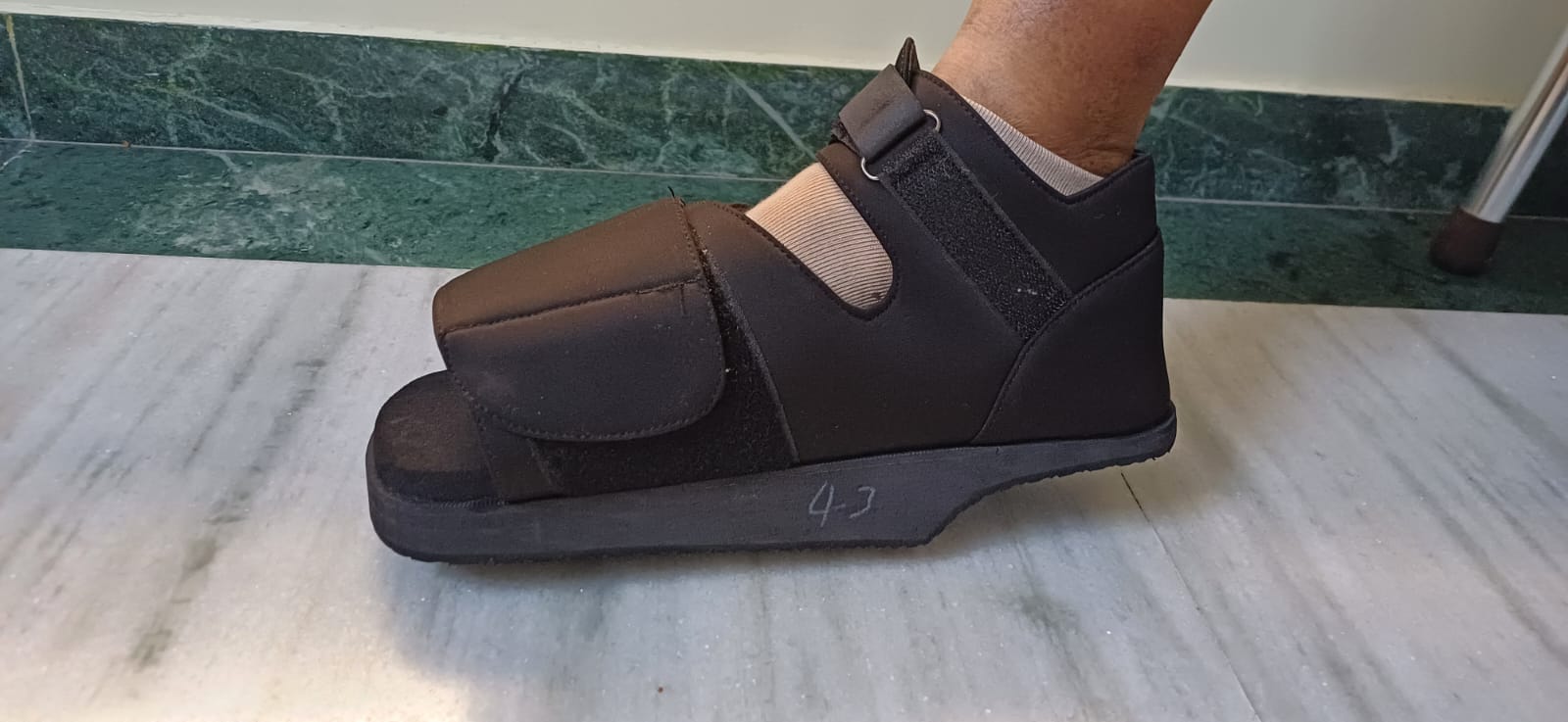
- As the patient had a heel bite (pressure ulcer over the heel) caused by increased pressure over the heel region, the patient was advised to use heel offloading footwear to relieve heel pressure, prevent further tissue damage, and promote wound healing.
- Proper diabetic footwear with adequate cushioning and pressure redistribution was recommended according to the patient’s foot condition and plantar pressure findings.
- An appropriate oral antibiotic was prescribed to prevent and treat any early soft tissue infection, based on the clinical assessment.
- The patient was advised to apply Soframycin (framycetin) cream locally over the ulcer site after proper wound cleaning, as instructed.
- Complete bed rest and avoidance of prolonged walking or weight-bearing activities were advised initially to promote wound healing and reduce further pressure on the affected areas.
- The patient was counseled to avoid walking barefoot and to perform daily foot inspection and maintain regular foot hygiene.
4. Neuropathy Assessment
Neurological evaluation included:
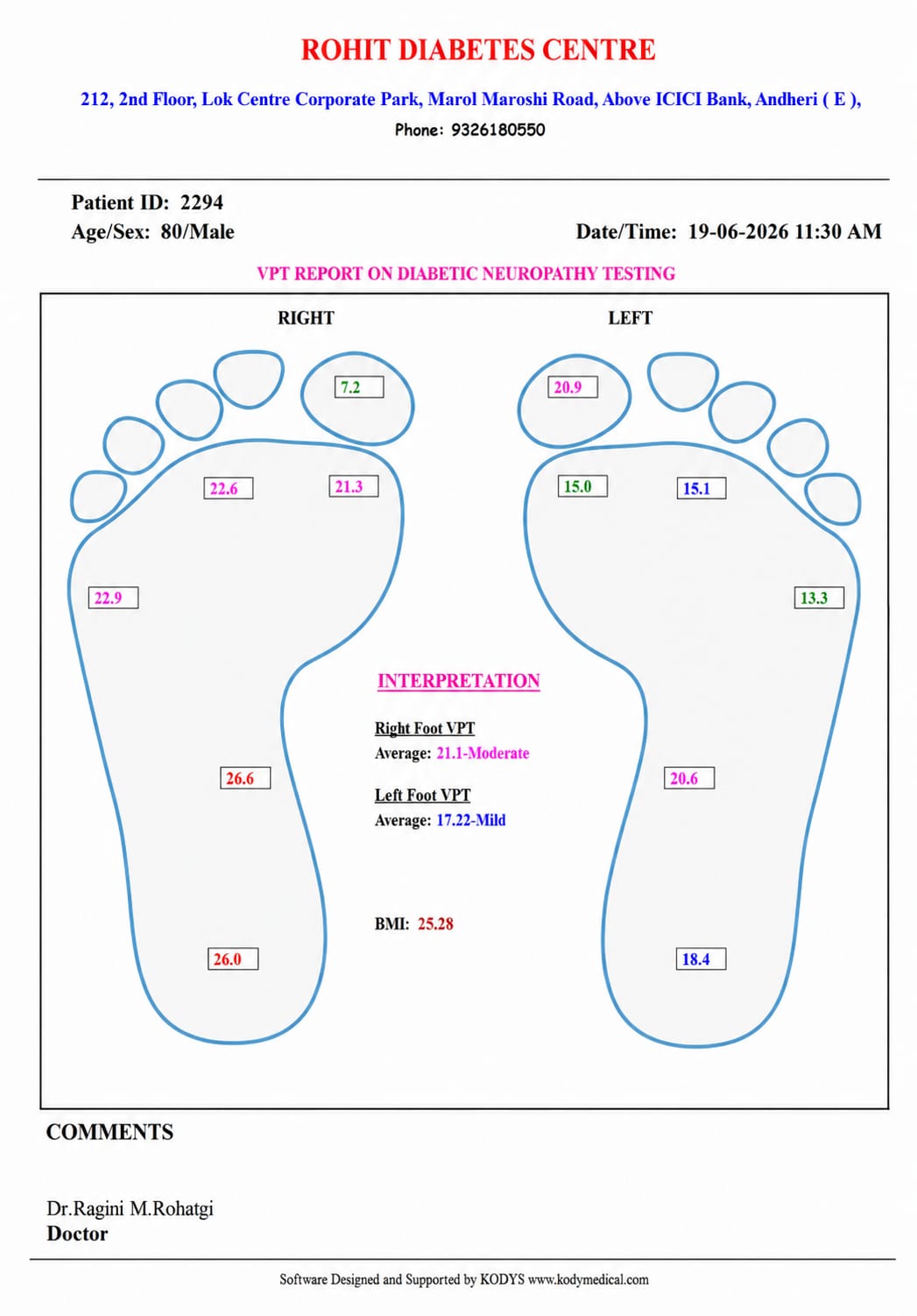
- Biothesiometer testing
Findings showed significant diabetic neuropathy is moderate on right feet and mild on left.
5. Vascular Assessment
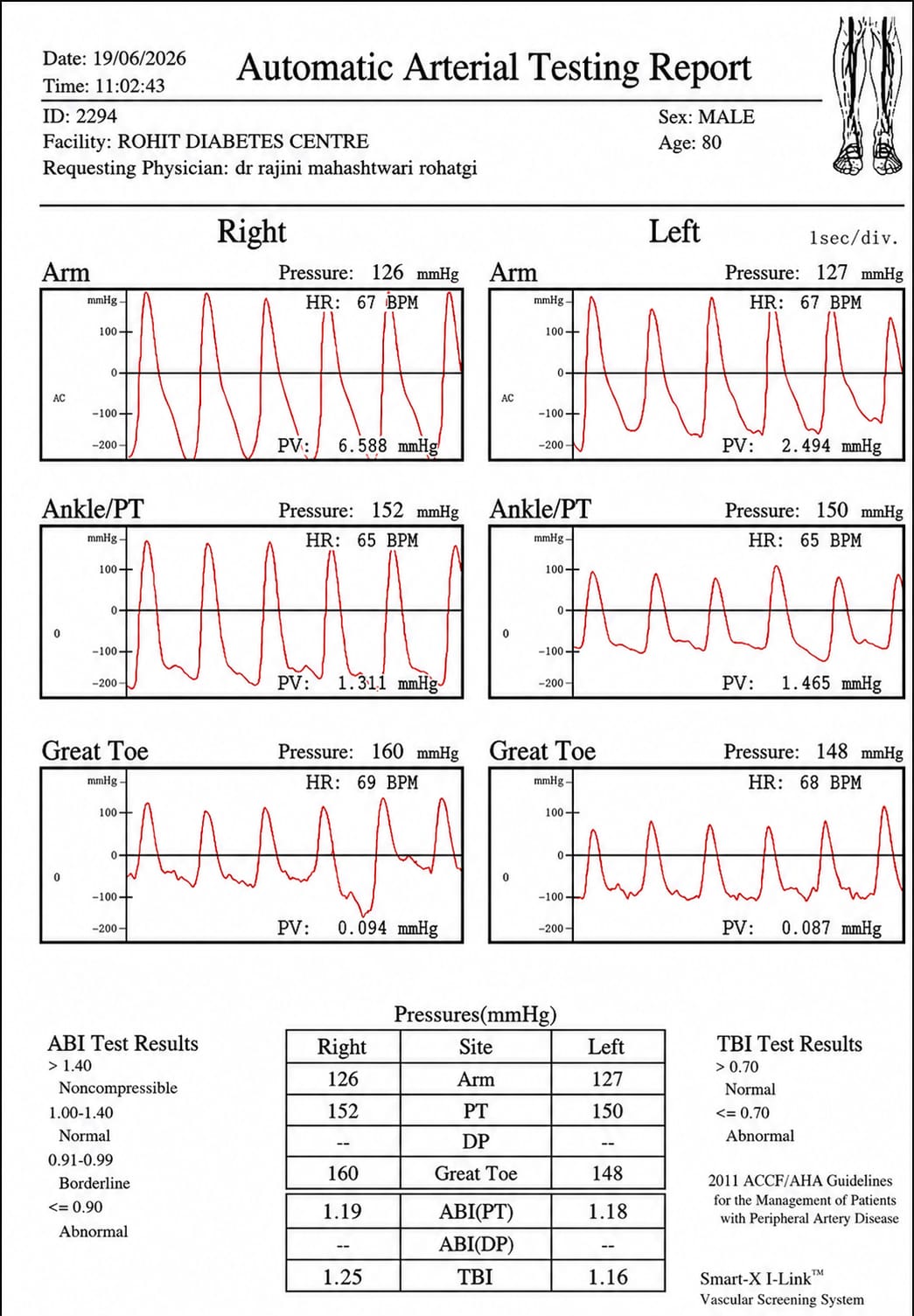
Circulation was assessed using:
- Peripheral pulse examination
- Doppler Study
- ABI (Ankle Brachial Index)
- TBI (Toe Brachial Index)
Results showed normal peripheral circulation with no major vascular compromise.
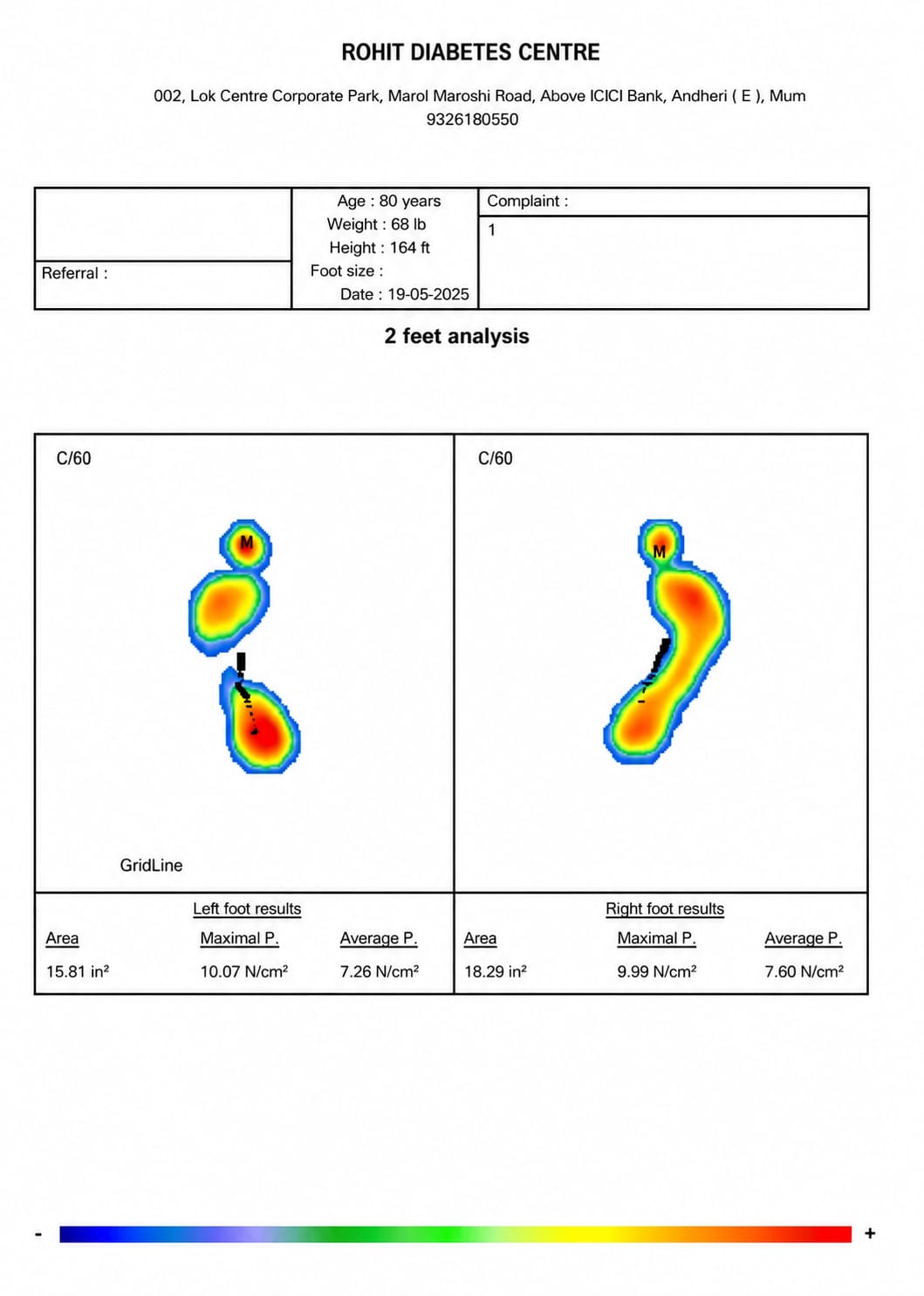
6. Plantar Pressure Assessment
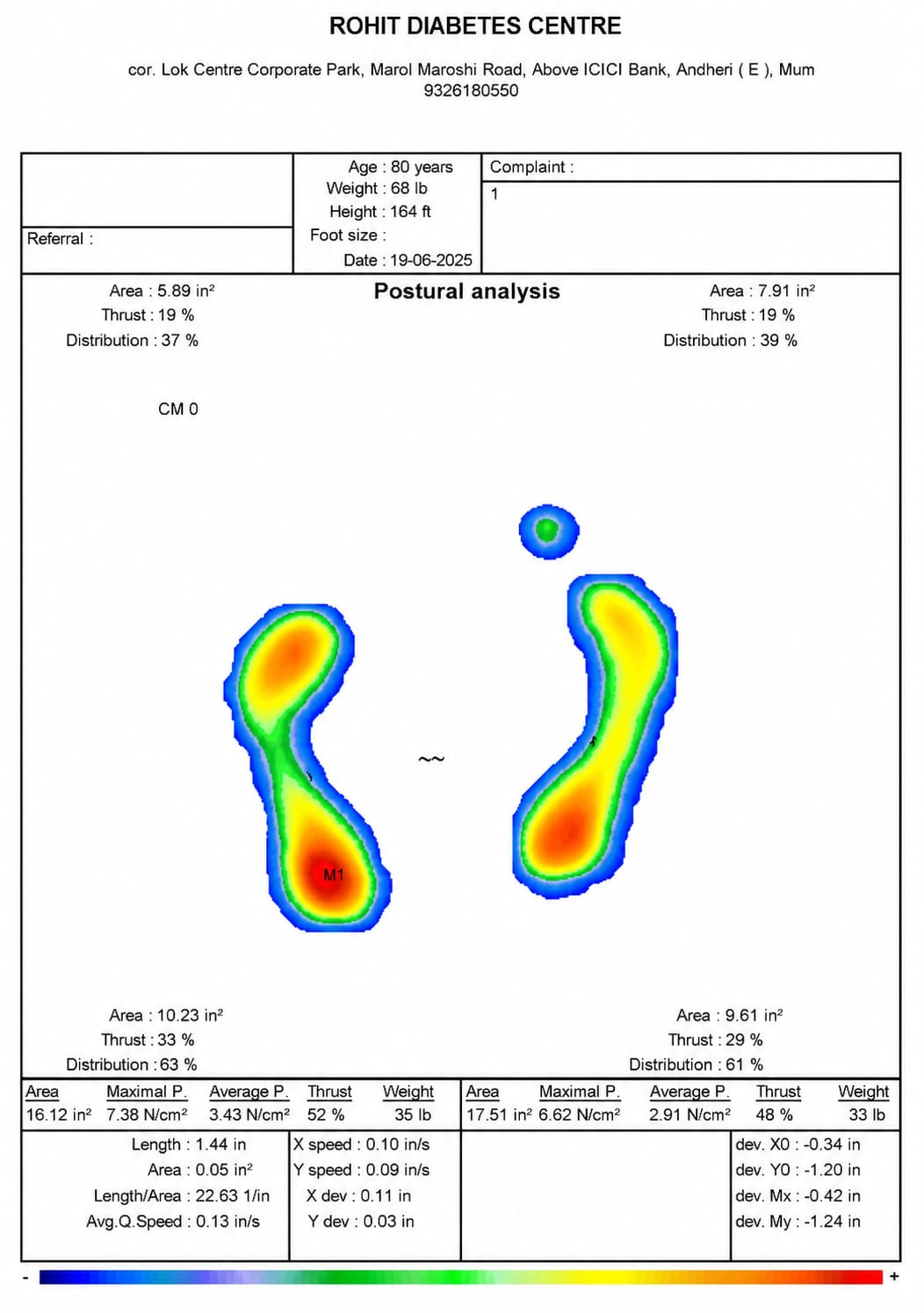
Foot pressure analysis demonstrated:
- Increased pressure over the heel region, contributing to repetitive trauma and shoe bite
formation.
Outcome
After combining all clinical findings, it was concluded that the patient’s foot injuries were primarily caused by:
- Severe diabetic neuropathy leading to reduced sensation
- Continued use of damaged and worn-out footwear
- Lack of regular footwear inspection
- Walking barefoot indoors
- Poor understanding of diabetic foot care practices
The patient was counseled regarding immediate footwear correction and preventive diabetic foot care measures to avoid progression to severe diabetic foot ulcers.
Doctor’s Perspective
This case highlights the importance of routine diabetic foot screening in elderly patients with long-standing diabetes.
Although the patient had normal blood circulation, neuropathy combined with improper footwear was sufficient to cause multiple foot injuries.
Many diabetic patients underestimate the importance of:
- Regular footwear inspection
- Timely replacement of worn-out footwear
- Daily foot examination
- Avoiding barefoot walking
Early identification of these risk factors can prevent serious complications and possible diabetic foot ulcer progression.
Key Learnings
For Patients
- Inspect feet daily for cuts, redness, cracks, or wounds
- Never walk barefoot, even inside the house
- Use proper indoor and outdoor footwear
- Check footwear regularly for damage or wear and tear
- Replace footwear every 6–12 months, depending on usage
- Seek medical attention early for even minor foot injuries
For Clinicians
- Routine diabetic foot screening is essential in long-standing diabetes
- Neuropathy alone can significantly increase risk even when circulation is normal
- Footwear evaluation should be part of diabetic foot assessment
- Patient education is a major preventive tool in diabetic foot management
Conclusion
This case demonstrates how seemingly minor footwear damage can lead to multiple foot injuries in elderly diabetic patients with neuropathy.
Long-standing diabetes requires regular foot screening, proper footwear selection, and continuous patient education regarding foot care practices.
Early recognition and preventive care can significantly reduce the risk of diabetic foot ulcers, infections, and long-term complications, ultimately improving quality of life in diabetic patients.