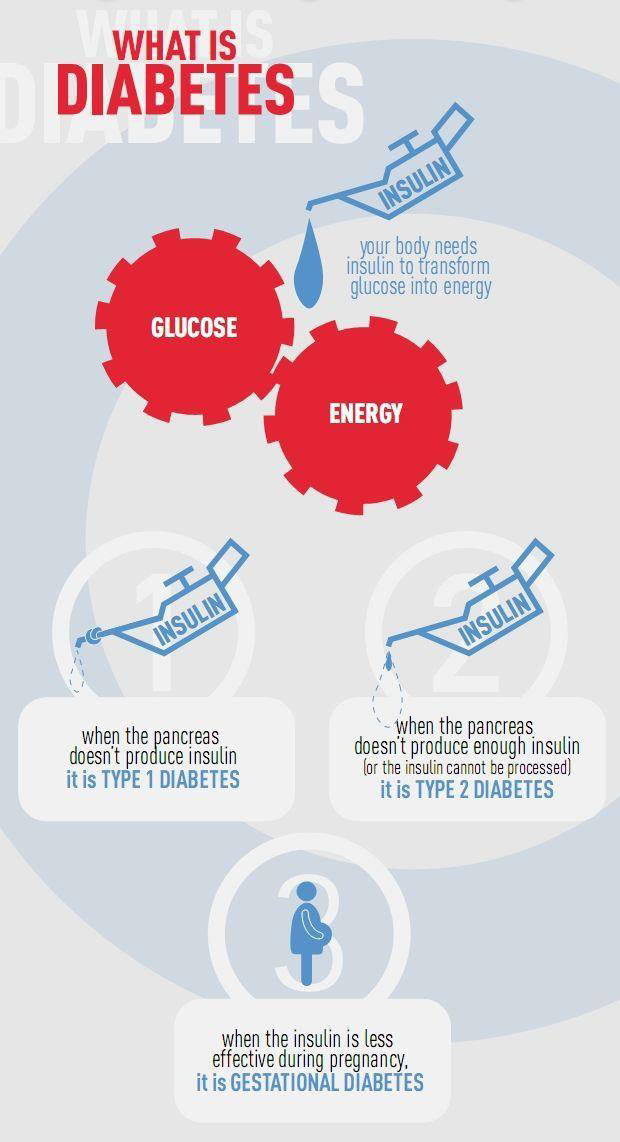
Diabetes is the condition in which the body does not properly process food for use as energy. Most of the food we eat is turned into glucose, or sugar, for our bodies to use for energy. The pancreas, an organ that lies near the stomach, makes a hormone called insulin to help glucose get into the cells of our bodies.
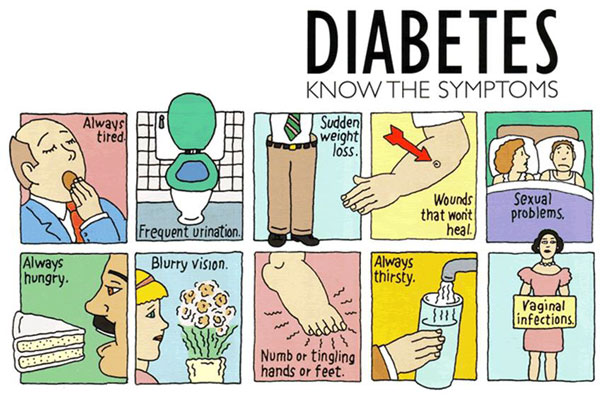
Symptoms of Diabetes
Most of the patients do not have symptoms, but if you are at high risk, you need to monitor your blood sugar level.(refer to Diabetes Prevention)
Diagnosis
1. HbA1C/ A1C (Glycosylated Haemoglobin) The A1C test measures your average blood glucose for the past 2 to 3 months. The advantages of being diagnosed this way are that you don’t have to fast or drink anything.
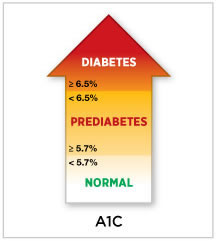
Diabetes is diagnosed at an A1C of greater than or equal to 6.5%
Result
A1C
Normal
less than 5.7%
Prediabetes
5.7% to 6.4%
Diabetes
6.5% or higher
2. Fasting Plasma Glucose (FPG) This test checks your fasting blood glucose levels. Fasting means after not having anything to eat or drink (except water) for at least 8 hours before the test. This test is usually done first thing in the morning, before breakfast.
Diabetes is diagnosed at fasting blood glucose of greater than or equal to 126 mg/dl
Result
Fasting Plasma Glucose (FPG)
Normal
less than 100 mg/dl
Prediabetes
100 mg/dl to 125 mg/dl
Diabetes
126 mg/dl or higher
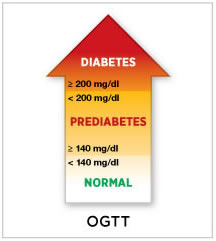
3. Oral Glucose Tolerance Test (also called the OGTT) The OGTT is a two-hour test that checks your blood glucose levels before and 2 hours after you drink a special sweet drink. It tells the doctor how your body processes glucose.
Diabetes is diagnosed at 2-hour blood glucose of greater than or equal to 200 mg/dl
Result
Oral Glucose Tolerance Test (OGTT)
Normal
less than 140 mg/dl
Prediabetes
140 mg/dl to 199 mg/dl
Diabetes
200 mg/dl or higher
If 2 of the above criteria are met then you are diagnosed as DIABETIC.
Hypoglycaemia
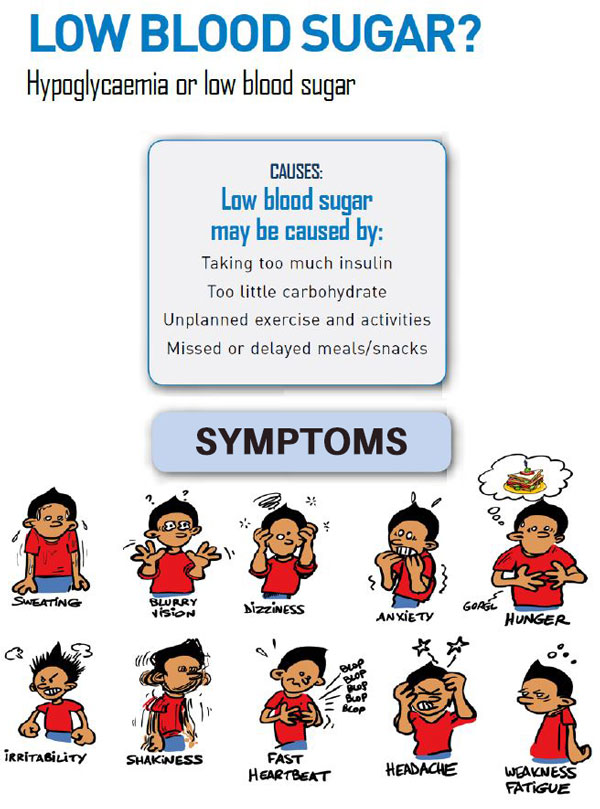
Hypoglycaemia is a condition characterized by abnormally low blood glucose (blood sugar) levels, usually less than 70 mg/dl. Hypoglycaemia may also be referred to as an insulin reaction, or insulin shock.
Hypoglycaemic symptoms are important clues that you have low blood glucose.
Treatment for Hypoglycaemia
Consume 15-20 grams of glucose or simple carbohydrates
Recheck your blood glucose after 15 minutes
If hypoglycaemia continues, repeat.
Once blood glucose returns to normal, eat a small snack if your next planned meal or snack is more than an hour or two away.
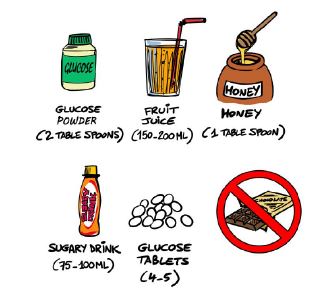
15 grams of simple carbohydrates commonly used:
glucose tablets (follow package instructions)
4 ounces (1/2 cup) of juice or regular soda (not diet)
1 tablespoon sugar, honey, or corn syrup
Hyperglycaemia
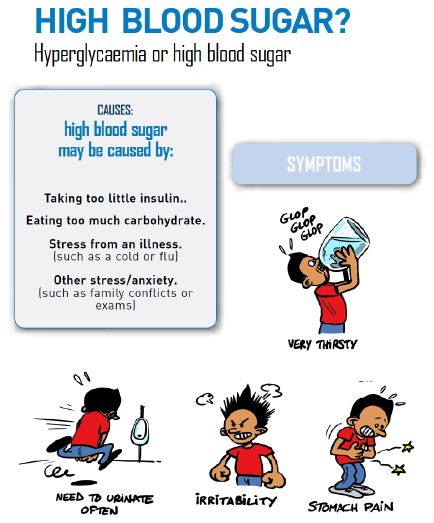
Hyperglycaemia is the technical term for high blood glucose (blood sugar). High blood glucose happens when the body has too little insulin or when the body can’t use insulin properly. Hyperglycemia is typically considered when blood glucose levels rise above 250–300 mg/dL.
Hyperglycemia may lead to dangerous conditions such as Diabetic Ketoacidosis (DKA) and even coma. You need to urgently contact your doctor and may need to get admitted to the hospital.
MYTHS ABOUT DIABETES?
TRUE OR FALSE:
» Eating too much sugar causes diabetes
FALSE:
In patients with type 1 diabetes, it’s because their bodies can’t make insulin anymore. It has nothing to do with eating too much sugar.
In patients with type 2 diabetes there might be a connection because eating too much sugar (or foods with sugar, like toffees or soft drink) can cause weight gain, and weight gain can lead to type 2 diabetes.
TRUE OR FALSE:
» People with diabetes should not exercise
FALSE:
Exercise is important for all patients regardless of their age – with or without diabetes.
Exercise has many benefits. It keeps one healthy and fit, and also helps them balance their blood Sugar.
TRUE OR FALSE:
» You can catch diabetes from another person
FALSE:
Diabetes is not contagious, as so you can’t catch it from someone who has it.
TRUE OR FALSE:
» Patients with diabetes can never eat sweets
FALSE:
Patients with diabetes can eat sweets – as part of a balanced, healthy diet.
Like everyone else, a person with diabetes shouldn’t eat too many sweets because they may cause damage to teeth and they don’t have many vitamins and minerals.
Helping you understand healthcare
Here to make your experience as seamless as possible—explore answers to common questions about our services, policies, and patient care.