
Introduction
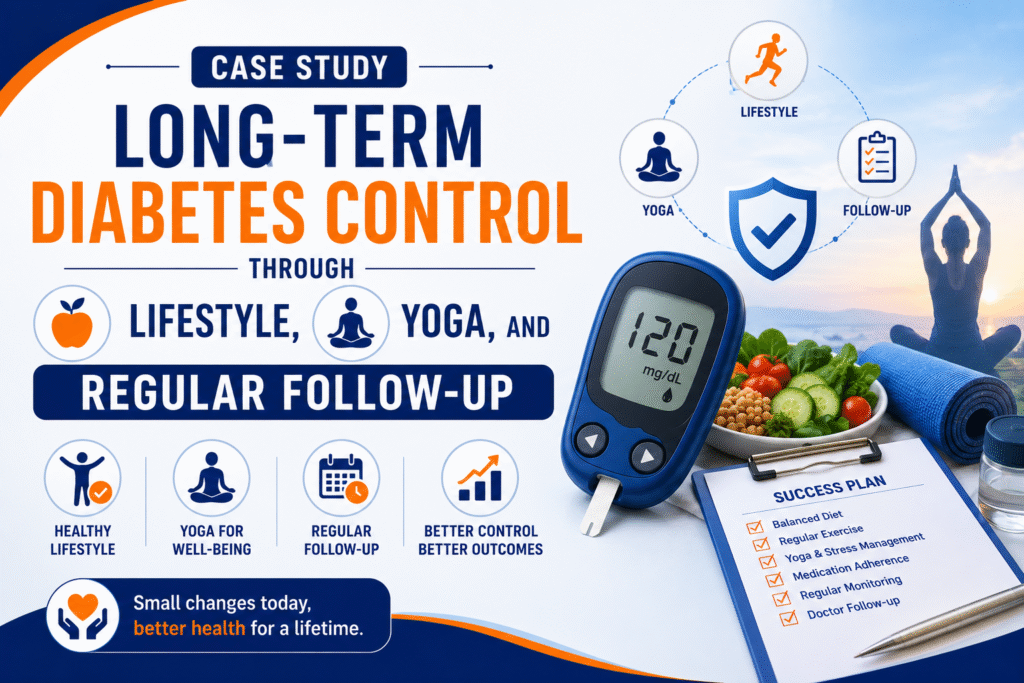
This case highlights the successful long-term management of Type 2 diabetes in a 71-year-old woman through a combination of evidence-based medical treatment, structured lifestyle modification, regular yoga practice, and consistent follow-up.
Background
Mrs. R, aged 71 years, has been living with type 2 diabetes since 1998. She first presented to our clinic in 2018 with poorly controlled diabetes (blood glucose 259/401 mg/dL, HbA1c 10.1%), a weight of 66 kg, height of 154 cm (BMI 27 kg/m²), along with hypertension and dyslipidemia. Baseline evaluation showed normal kidney function, while eye and foot examinations were normal.
Our Approach
A comprehensive diabetes management plan was initiated, including:
Individualized dietary counselling.
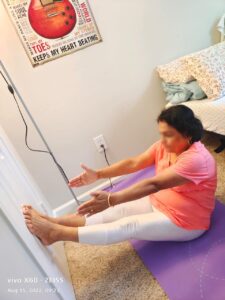
Regular physical activity with continued yoga practice.
Optimization of diabetes medications.
Management of hypertension and cardiovascular risk factors.
Routine monitoring with HbA1c every three months and regular follow-up visits.
Recovery and Outcome
Within 4–5 months, HbA1c improved from 10.1% to 7.8%. With continued adherence to treatment, lifestyle measures, and regular follow-up, her most recent HbA1c reached 6.8%. Her weight reduced from 66 kg to approximately 60 kg (BMI 25 kg/m²).
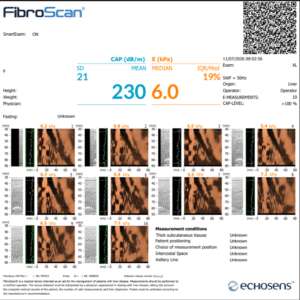
Baseline FibroScan showed a Controlled Attenuation Parameter (CAP) of 270 dB/m and liver stiffness of 9.3 kPa, suggestive of significant fatty liver with fibrosis.
On follow-up, FibroScan demonstrated marked improvement, with CAP reducing to 230 dB/m and liver stiffness decreasing to 6.0 kPa, indicating improvement in hepatic steatosis and liver fibrosis.
She now maintains excellent glycaemic control with only Empagliflozin/Linagliptin (Glyxambi) and Metformin (Glycomet) for diabetes, while continuing treatment for hypertension..

Doctor’s Perspective
This case demonstrates that even after decades of diabetes, sustained glycaemic control is achievable when patients actively participate in their care. Regular follow-up, adherence to medications, healthy nutrition, and consistent yoga and exercise can significantly reduce treatment burden while improving long-term outcomes.
Key Learnings
• Long-standing diabetes can be effectively controlled with a multidisciplinary approach.
• Regular follow-up and HbA1c monitoring are essential for sustained diabetes management.
• Lifestyle modification, including a balanced diet, regular physical activity, and yoga, complements medical therapy and supports long-term metabolic health.
• Practicing diabetes-friendly yoga asanas such as :
- Surya Namaskar, Mandukasana (Frog Pose)
- Ardha Matsyendrasana (Seated Spinal Twist)
- Bhujangasana (Cobra Pose)
- Dhanurasana (Bow Pose)
- Vajrasana (after meals)
• may help improve flexibility, reduce stress, and support better blood glucose management when practiced regularly under proper guidance.
• Patient commitment and continuity of care are key to successful diabetes management.

Our Message
Diabetes management is a lifelong journey. The best outcomes are achieved through a combination of the right medication, healthy eating, regular physical activity such as yoga, and consistent follow-up with your healthcare team. Even after many years of diabetes, lasting control is possible with dedication and partnership in care.